
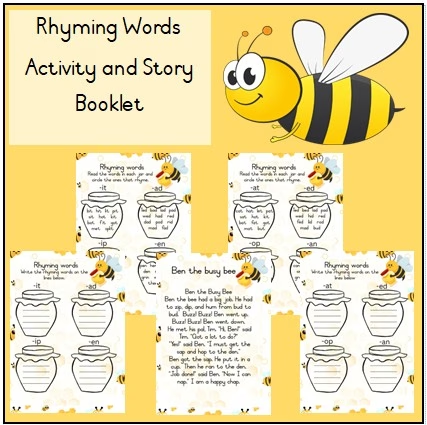
Description
Learning about rhyming words is more than just fun—it’s foundational for literacy and language development. Here’s why it matters:
🧠 Cognitive and Language Development
- Phonemic awareness: Rhyming helps children hear and identify sounds in words, a key skill for learning to read.
- Sound patterns: Recognizing rhymes trains the brain to notice patterns, which supports spelling and decoding unfamiliar words.
📚 Reading and Writing Skills
- Predictive reading: Rhymes make it easier to guess the next word in a sentence or story, boosting comprehension.
- Creative writing: Rhyming encourages playful use of language, helping children write poems, songs, and stories with rhythm and flair.
🗣️ Speech and Communication
- Pronunciation practice: Rhyming words often share similar sounds, helping kids articulate clearly and confidently.
- Vocabulary expansion: Exploring rhymes introduces new words in a memorable way.
🎵 Engagement and Memory
- Songs and chants: Rhymes stick! That’s why nursery rhymes and jingles are so effective—they’re catchy and easy to recall.
- Enjoyment: Rhyming games and stories make learning joyful, which motivates children to keep exploring language.